Eased edge vs bullnose travertine pool copings? If you are planning a new build or a remodel in 2026, the “front profile” of your coping is one of the fastest ways to change both the look and the way the edge feels underfoot. In this guide, we break down eased edge (straight, modern) versus bullnose (rounded, traditional) so you can choose the right travertine pool coping bullnose eased edge pool tile pool edge stone travertine stone setup for your pool.
Key Takeaways
Quick answers first, then we go deeper into detailing, safety, and how the profiles read with travertine pavers.
| Question | Eased edge coping | Bullnose coping |
|---|---|---|
| How it looks | Subtle, straight finish that stays visually “square” while softening the top edge | Classic rounded front edge that reads more traditional |
| How it feels | Less protrusion than bullnose, but still a finished coping edge | Rounder leading surface, often favored where foot traffic is heavy |
| Water management | Designed to cover the pool wall top and help keep water from getting behind the shell | Same core job, but the rounded front changes the “break” at the deck line |
| Best style match | Modern layouts, straight lines, consistent deck geometry | Traditional builds, curved detailing, classic coping aesthetics |
| Typical finish choices | Tumbled and eased-edge variants are common for a softer look | Bullnose is often paired with finishes that improve slip resistance |
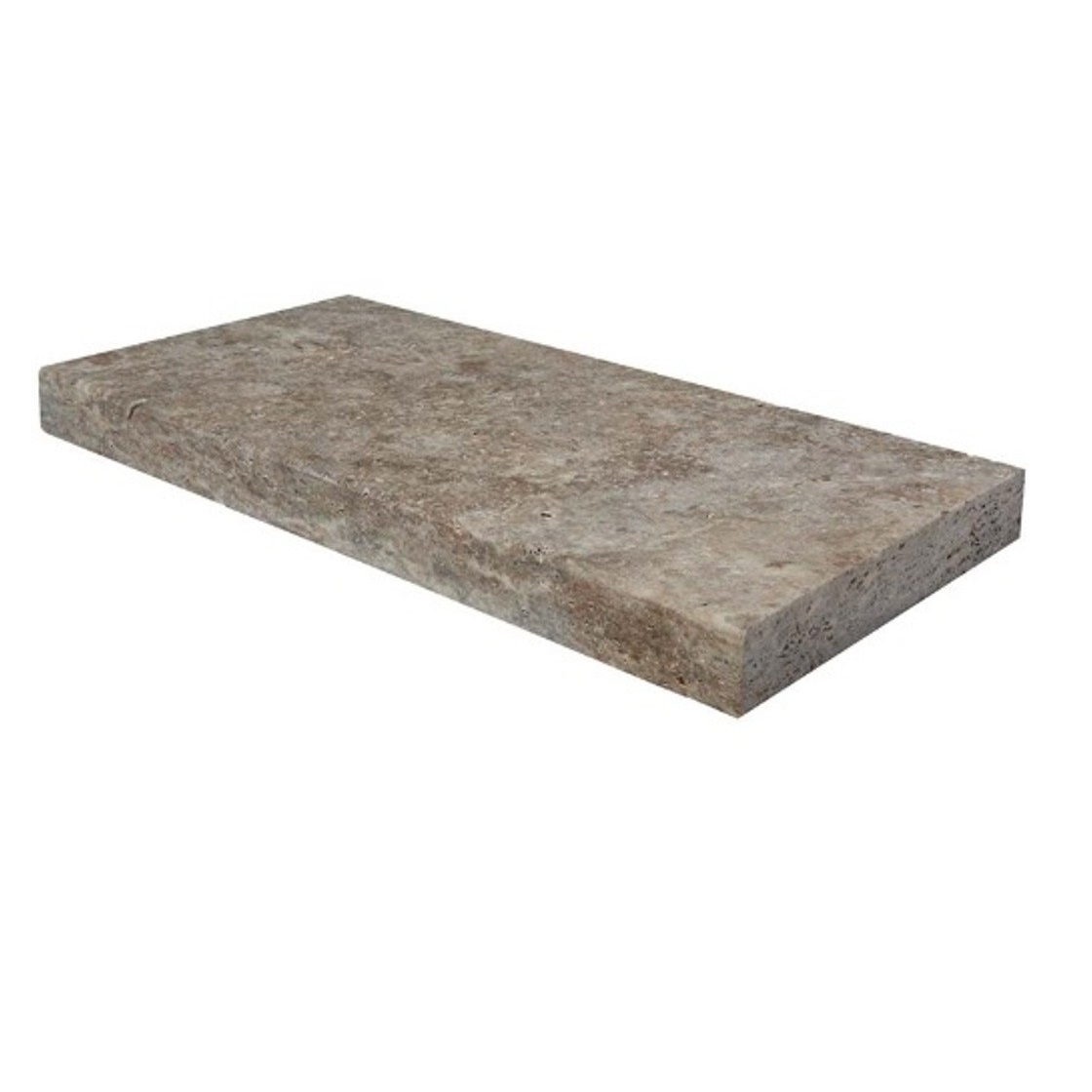
| Product examples | Silver Travertine 16x24x2 Eased Edge Pool Coping at $42.75 | Look for “bullnose” listings within travertine pool coping collections |
- Eased edge is slightly rounded on the top and bottom edges, while still looking “square” for a modern line (great for a travertine pool coping bullnose eased edge pool tile pool edge stone travertine stone look).
- Bullnose has a rounded front edge, which reads traditional and changes how the deck-to-water transition feels.
- If you are doing straight applications in 2026, eased edge coping is often a clean fit because it keeps the pool edge visually aligned.
- You can use both eased edge and bullnose styles as steps, wall caps, and copings, depending on the specific product profile.
- To see product options that match the eased-edge direction, start with our eased-edge coping category: Eased edge pool copings.
- For a practical comparison framework, review the bullnose vs straight-edge explanation here: Travertine pool coping guide (bullnose vs straight edge).
What “eased edge” really means on travertine pool coping
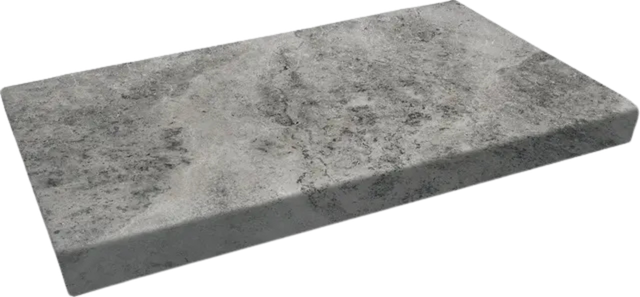
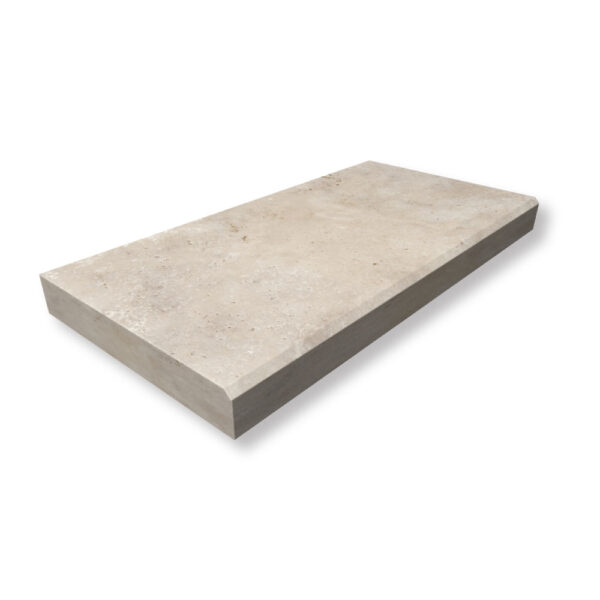
When we say eased edge, we mean a straight, modern edge profile that is softened at the corners rather than fully rounded at the front like a classic bullnose. On the eased-edge category we carry, the pieces are described as “slightly eased/rounded on the top and the bottom edges”, while the coping “still look[s] square to keep [a] modern look.”
That “slightly eased, still square” geometry is why many homeowners choose eased edge travertine pool copings when they want the pool border to feel crisp, but not sharp. It also matters for how your travertine pool coping bullnose eased edge pool tile pool edge stone travertine stone palette ties into the deck layout.
Where eased edge fits best in 2026:
- Straight applications: The profile is designed to keep the deck line clean and aligned.
- Contemporary design lines: If your pool coping layout needs to stay visually “square,” eased edge helps.
- Finishing versatility: Many eased-edge listings note they can work as steps or wall caps, not only pool caps.
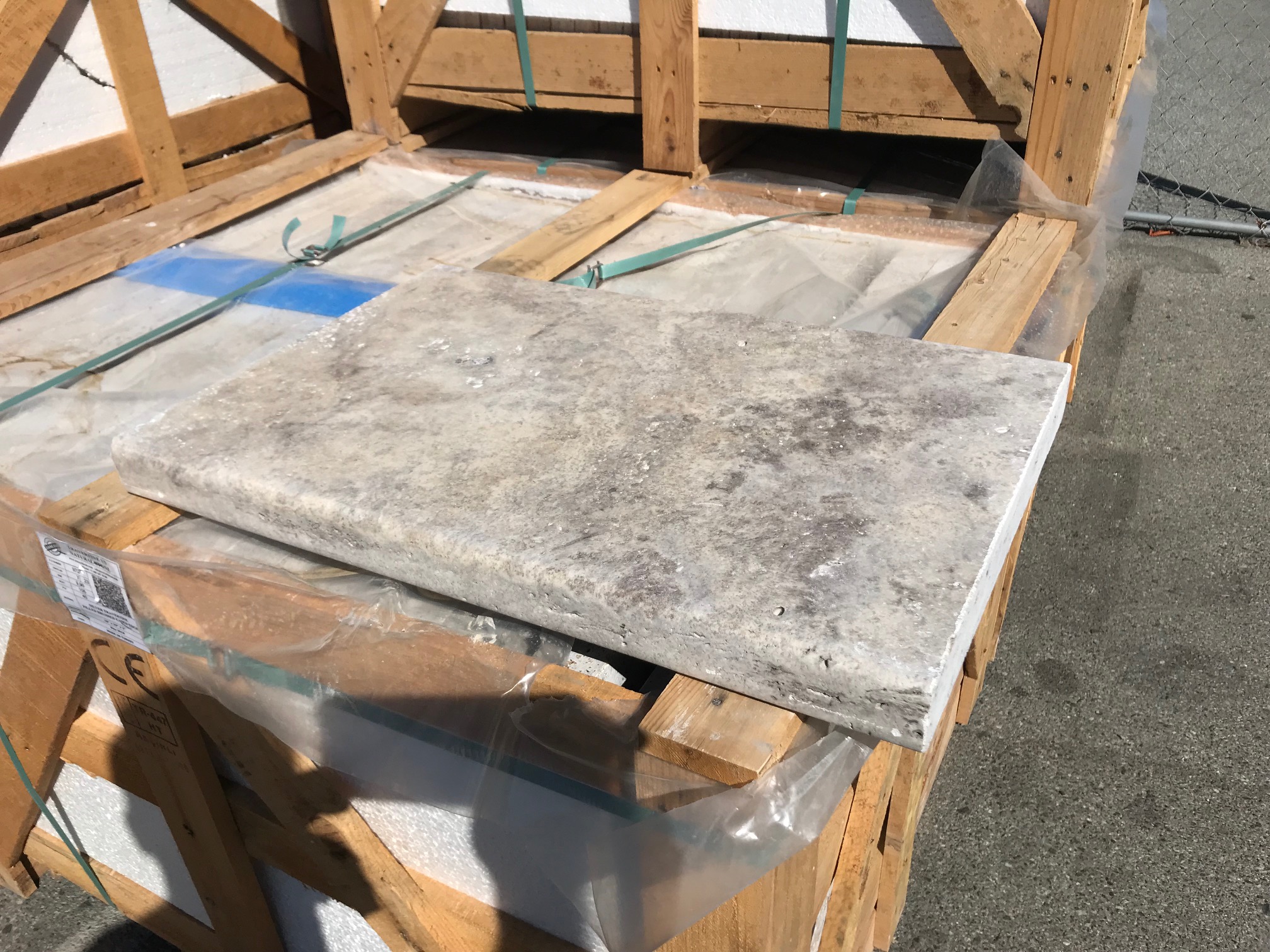
Example from our catalog: Silver Travertine 16”x24”x2” Eased Edge Pool Coping is listed as recommended for straight applications and can be used as steps, wall caps, or copings for $42.75. You can view the product page here: Silver Travertine 16x24x2 Eased Edge Pool Coping.
Bullnose travertine pool copings: the rounded, traditional front edge
Bullnose coping is defined by a rounded front edge. In plain terms, the leading edge that meets the deck and the waterline is more curved than eased edge, which is why bullnose is often described as more traditional.
In the travertine coping guide we reviewed, the key difference is summarized as: bullnose coping has a rounded front edge, while straight edge coping (often called eased edge) is flatter with a squared look. That same framing matters when you are comparing Eased edge vs bullnose travertine pool copings? because the “front profile” is what most people notice first.
Why buyers pick bullnose in 2026:
- Traditional appearance: Rounded front edges read classic.
- Comfort underfoot: A rounded edge can feel less abrupt than a flatter front profile.
- Visual continuity: Some deck designs naturally match the curved front look.
If you want a structured overview of bullnose vs straight edge decision points, use this guide as a baseline: Travertine pool coping guide (bullnose vs straight edge). For a different wording style focused on “modern edge,” here is another comparison reference: Bullnose vs modern edge pool coping.
Eased edge vs bullnose travertine pool copings? Side-by-side comparison for real projects
Now we address the core question, Eased edge vs bullnose travertine pool copings? Below is a practical comparison we use when clients ask us what to choose for a specific pool edge stone and deck layout.
| Feature | Eased edge coping | Bullnose coping |
|---|---|---|
| Front profile | Straight, subtle easing at corners, reads modern | Rounded front edge reads traditional |
| Deck-line geometry | Keeps the coping line visually “square” while softening edges | Creates a more pronounced rounded transition at the deck line |
| Water contact points | Coping still caps the wall top and helps cover the concrete edge | Same core function, rounded front changes the flow path at the transition |
| Design style fit | Best for contemporary pool tile, straight layouts, and clean architectural lines | Best for classic aesthetics, traditional detailing, and curvier transitions |
| Common use cases | Straight applications, modern remodels, and matching paver lines | Classic pool edges and comfort-focused coping transitions |
For context, one eased-edge product description we reviewed explains that eased-edge coping provides a straight finish that is “subtle when compared to the more pronounced round bullnose coping.” That statement captures the expectation many homeowners have when they ask the Eased edge vs bullnose travertine pool copings? question.
Slip resistance, safety, and comfort: what changes with each profile
In real pool environments, safety is about more than just the edge shape, but the coping profile can influence how water and foot traffic interact at the transition. When we compare travertine pool coping bullnose eased edge pool tile pool edge stone travertine stone options, we treat slip resistance as a material and finish question first, then a profile question second.
Profile-level differences we plan for:
- Eased edge: A flatter front can be visually clean, but we still specify finishes carefully so the surface stays safe when wet.
- Bullnose: The rounded front can reduce the “corner” feel at the deck edge, and it is often selected when comfort underfoot is a priority.
Material and finish still control the outcome. Coping is frequently selected in tumbled or honed styles to help with traction. Some eased-edge options are described as tumbled (for example, “tumbled eased edge coping” listings), which typically offers a less stark surface than a highly polished look.
If you are planning a modern edge pool coping layout but want a comfort-forward transition, we recommend pairing your eased edge profile with a traction-focused finish and confirming compatibility with your surrounding deck pavers.
Sizes, thickness, and installation layout for eased edge vs bullnose
The “profile” is only part of the decision. To keep the pool edge looking intentional in 2026, we plan the tile/paver scale, the coping length, and the thickness so the joint lines and overhangs stay consistent.
From the eased-edge category we reviewed, the coping sizes vary, and the products are typically positioned to maintain straight lines. For example, Silver Travertine 16”x24”x2” Eased Edge Pool Coping is called out as a product you can use in straight applications and as steps or wall caps, with a listed price of $42.75.
Thickness planning (common approach):
- Many travertine coping designs are offered in thickness options like 3cm vs 5cm, which influences how the coping sits on the pool wall and how it aligns with surrounding deck height.
- We match thickness to your existing build or remodel conditions to avoid visible lip issues when switching between eased edge pool coping bullnose eased edge pool tile pool edge stone travertine stone layouts.
If you want an example of how spec language is commonly described across the market, a comparison guide notes thickness options like 3cm and 5cm and emphasizes matching colors to the paver lines for a cohesive look.
When a “modern edge” beats bullnose (and when bullnose is the right call)
This is where the Eased edge vs bullnose travertine pool copings? decision becomes simple. We typically point buyers toward eased edge when they want a flush, architectural look, and toward bullnose when they want a more traditional rounded transition.
Choose eased edge if you want:
- Clean, modern lines that stay visually square along the perimeter.
- A more subtle transition than round bullnose coping.
- Consistency with modern pool tile and deck geometries.
Choose bullnose if you want:
- Classic curb appeal with a rounded front edge.
- A coping profile that feels naturally “rounded” at the deck edge.
- A look that pairs well with traditional design elements.
For an example of eased/modern edge language, another comparison resource describes eased or modern edge coping as “flush with deck for a clean architectural line” while noting bullnose reads as more traditional.
For broader eased-edge browsing, start at the collection: Eased Edge Pool Copings.
Budget reality in 2026: pricing examples and how to compare value
Budget is always part of the decision, and coping pricing usually ties to stone selection, size, and thickness. In the research set we reviewed, we have at least one clear price point for an eased-edge product, which helps anchor expectations in 2026.
- Silver Travertine 16x24x2 Eased Edge Pool Coping: $42.75 (listed price)
Even when bullnose vs eased edge prices vary by supplier and stone color, the best way to compare value is to look at:
- Required quantities based on your perimeter measurement.
- Thickness alignment with your pool wall and deck height.
- Finish choice for slip resistance and long-term wet performance.
- Whether the profile matches the rest of your travertine pool coping bullnose eased edge pool tile pool edge stone travertine stone plan, so you do not end up mixing incompatible edge lines.
Style matching: pairing coping with travertine pavers and pool tile
The profile decision does not live alone. In 2026, we see more buyers choosing coordinated stone and deck lines, so the coping edge looks like it belongs to the same design system as the pool deck.
One guide we reviewed emphasizes color matching to travertine paver lines to keep the overall look cohesive. That is especially important when you mix “edge language” across the project, like pairing a modern eased edge perimeter with different paver tones or a contrasting pool tile border.
Practical matching checklist for travertine pool coping bullnose eased edge pool tile pool edge stone travertine stone projects:
- Match the coping tone to the paver line, not just the general stone category.
- Confirm the edge profile continuity around corners and steps, especially if you are also using coping pieces as wall caps or steps.
- Plan finish consistency so the wet traction feels uniform across the coping line and adjacent deck surfaces.
If you want a product-focused start point for eased edge, browse the category again here: eased-edge pool coping options.
Conclusion
Eased edge vs bullnose travertine pool copings? If you want a clean, contemporary edge line in 2026, eased edge travertine pool copings usually deliver the modern look you are after, with a softened edge while still reading square. If you want a classic, rounded transition, bullnose travertine pool copings offer a traditional profile with a more pronounced curved front edge.
For the safest long-term outcome, we recommend pairing your chosen profile with traction-focused finish selection and planning the coping layout and thickness to align with your pool deck height. That is how you get the right travertine pool coping bullnose eased edge pool tile pool edge stone travertine stone result, not just the right stone color.
Frequently Asked Questions
Is eased edge travertine pool coping safer than bullnose in 2026?
Eased edge vs bullnose travertine pool copings comes down to profile comfort, but slip resistance is mainly a finish and surface-traction decision. In 2026, we still plan traction carefully for eased edge because the smoother “front feel” depends on how the coping is finished when wet.
Will bullnose look outdated compared with eased edge pool coping styles?
Bullnose can look timeless, but it reads more traditional than eased edge. If your pool tile and deck geometry are modern and straight, eased edge pool coping often fits the look without creating a strong rounded contrast.
Can I use eased edge travertine pool coping as steps or wall caps?
Many eased edge product listings explicitly mention multi-use applications, including steps and wall caps. For example, Silver Travertine 16x24x2 Eased Edge Pool Coping is described as usable for steps, wall caps, or copings.
How do I choose between a straight finish and a rounded bullnose for pool deck transitions?
Choose eased edge (straight) when you want a subtle transition that stays visually square along the perimeter. Choose bullnose when you want a rounded front edge that reads classic and feels more rounded at the deck-to-water break.
What sizes should I consider for eased edge vs bullnose travertine pool copings?
We typically match size and thickness to your pool wall layout and deck height so the coping sits correctly with consistent joint lines. If your design is straight and modern, eased edge offerings like 16x24x2 are commonly specified for clean lines.
Does eased edge coping still prevent water from getting behind the pool wall?
Yes, coping’s core job is to cap the pool wall edge and help prevent water from getting behind the shell and walls. The difference between eased edge and bullnose is mainly how the front profile changes the deck transition, not the basic protective function.
Note: If you want, share a few measurements (pool perimeter, deck height, and preferred coping width), and we will suggest an eased edge vs bullnose travertine pool copings approach that fits your layout.